Storm Damage Roof Repair in Bartlesville, OK
Get the roof checked after displaced shingles, flying debris or a severe storm. We can help separate temporary protection from the permanent roofing work.
Storm damage roof repair in Bartlesville
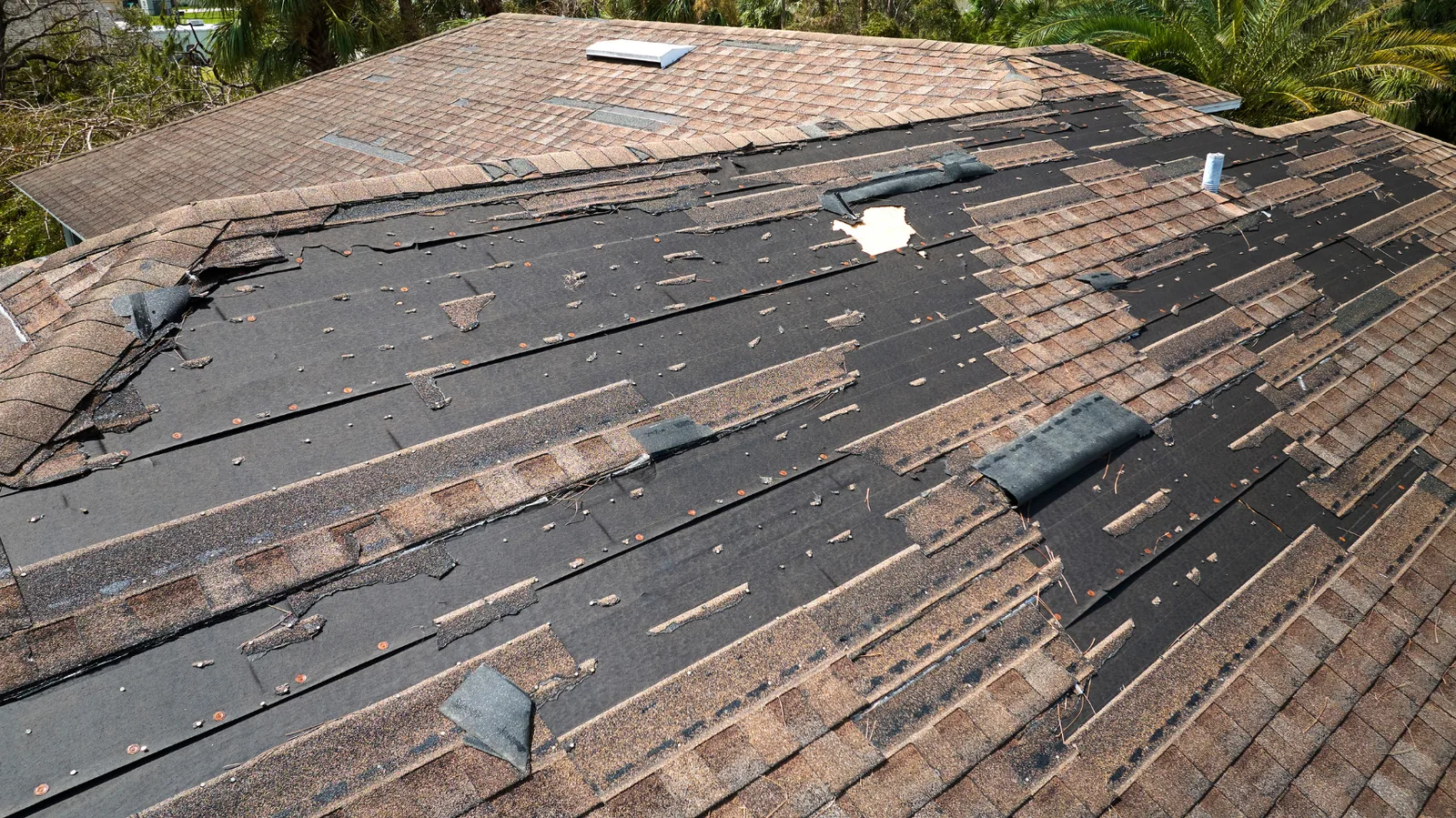
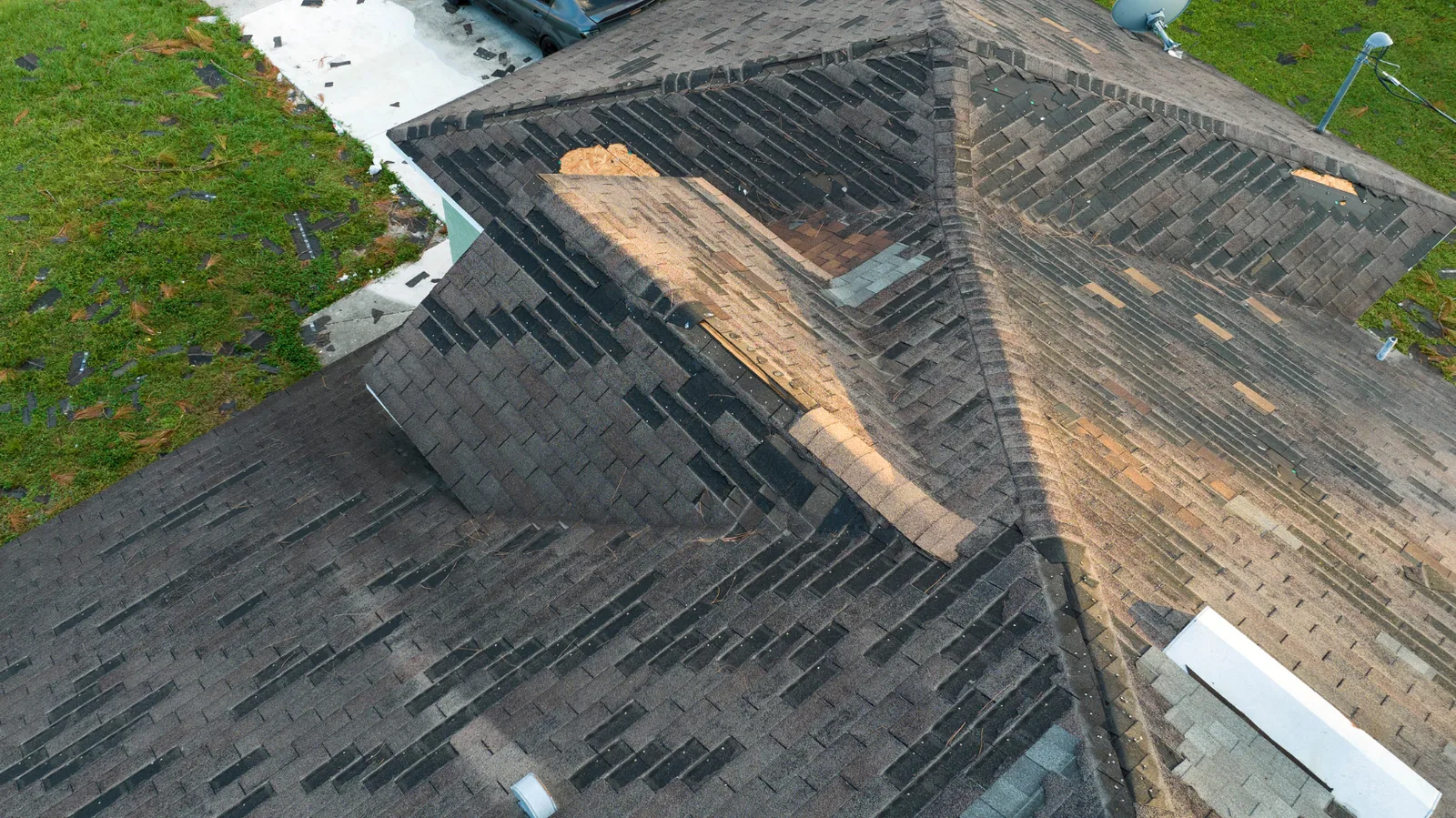
Wind does not have to remove a whole slope to leave a roof vulnerable. A creased tab, lifted edge or exposed underlayment can interrupt the layers that shed rain. Debris can damage a flashing or puncture a covering without leaving a large visible opening from the yard.
We examine the damaged area and the roofing around it, then explain how far the repair needs to reach. The surrounding material matters: new shingles have to connect to sound roofing, and a torn membrane may have wet layers below it. If the damage is broader, replacement deserves a complete comparison.
Put safety and temporary protection first
Protect people first. Call about active water entry, but keep clear of damaged parts of the property.
Stay away from unstable areas
Downed lines, hanging branches, broken roof framing and sagging ceilings need appropriate emergency attention. Keep others away and do not enter a visibly compromised area.
Use safe observations
Tell us what you can see from indoors or the ground. Existing photos and the date the problem appeared can help, but do not climb onto a storm-damaged roof to collect evidence.
Treat temporary work as temporary
A tarp or other temporary covering may reduce new water entry. It does not replace repairing the covering, flashing, deck or wet assembly that was damaged.
Storm repairs can range from a detail to a roof
An isolated damaged detail
Limited shingle loss or a damaged vent can be repair work if adjacent material remains serviceable. The replacement must tie into the remaining layers without creating another weak edge.
Several connected roof areas
Damage across multiple planes, valleys and intersections can make small patches impractical. The inspection helps establish whether a larger section or full covering needs replacement.
Damage beyond the roof covering
A fallen limb or severe wind can affect decking, framing or walls. Roofing work must be coordinated with evaluation and repair of the supporting building where necessary.
A Bartlesville storm date is a starting point
- May 6, 2024: a documented regional event
The National Weather Service records the Barnsdall–Bartlesville tornado at an EF4 event maximum. That rating does not assign the same wind or damage to every Bartlesville address.
- Your roof has its own condition
The date helps orient the conversation. Current roof findings, earlier repairs and when a leak began are needed to understand this property. A regional record cannot determine an insurance outcome.
Keep the roofing work and insurance payment clear
The roof scope describes physical work. The insurer decides coverage under the policy.
Explain the affected roof
The useful roofing discussion identifies damaged components and what must be removed, repaired or replaced. It should distinguish temporary protection from the permanent scope.
Keep payment terms separate
Deductibles, depreciation, exclusions and roof-specific policy terms can change what the owner pays. A replacement price does not establish the claim payment.
Notify the insurer promptly
If you believe the damage is a covered loss, contact the insurer about its reporting requirements. Keep records of approved temporary expenses and avoid assuming that any work will be reimbursed.
Storm damage roofing FAQs
Should the roof be checked if no water is coming in?
Visible displaced roofing or a significant impact concern deserves attention even without a leak. Water may not have reached an occupied room yet.
Can you tell whether an old storm caused the current damage?
An inspection can examine the condition and patterns, but a date alone does not establish the cause or age of every defect. Previous repairs and later weather can complicate the picture.
Will temporary protection finish the job?
No. Temporary protection helps manage exposure. The permanent work still needs to restore the roof materials and connections, including any affected underlying layers.