Roof Flashing Repair in Bartlesville, OK
A roof is most vulnerable where different surfaces meet. Repair the flashing connection that carries water past a wall, chimney, valley or pipe.
Roof flashing repair in Bartlesville
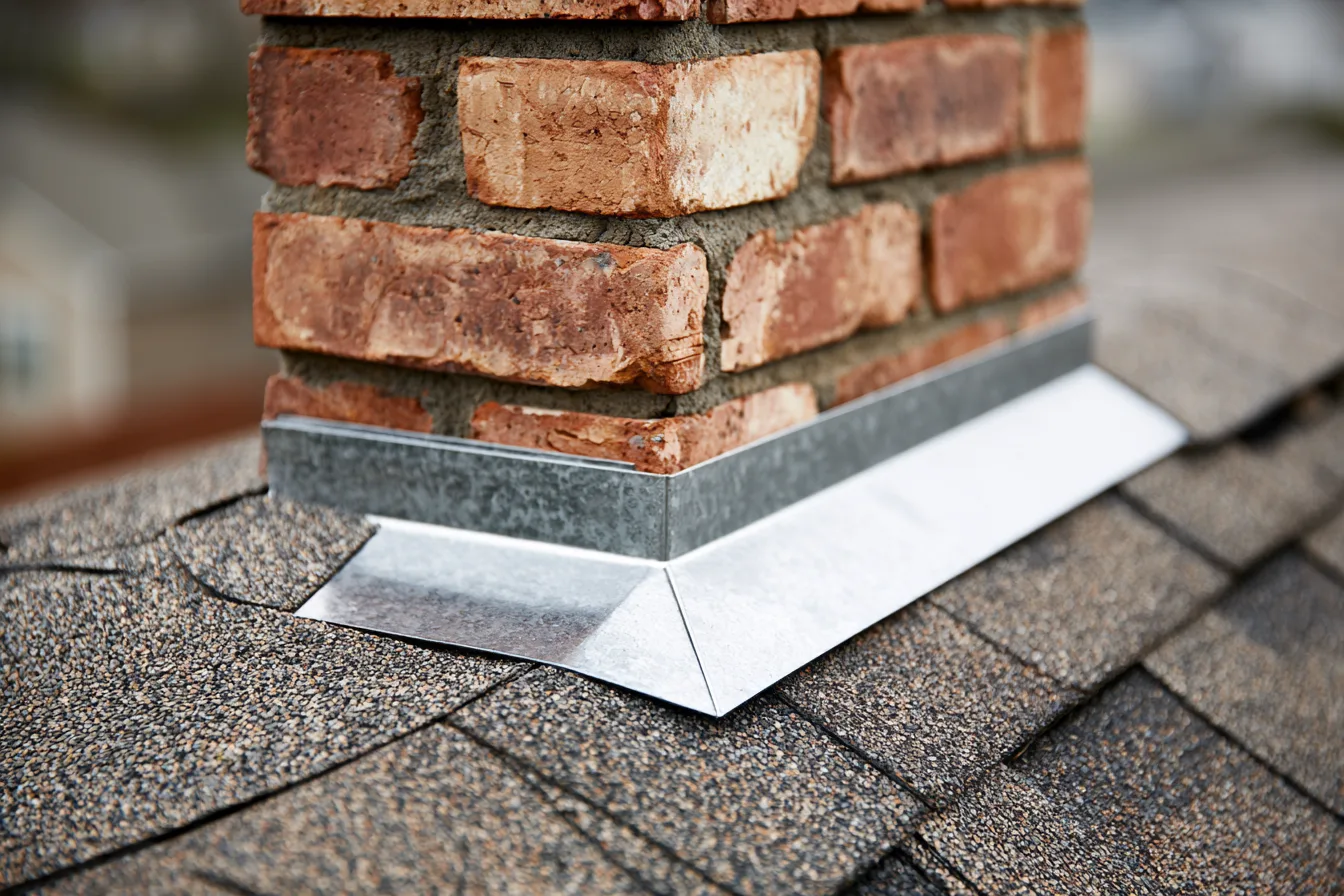
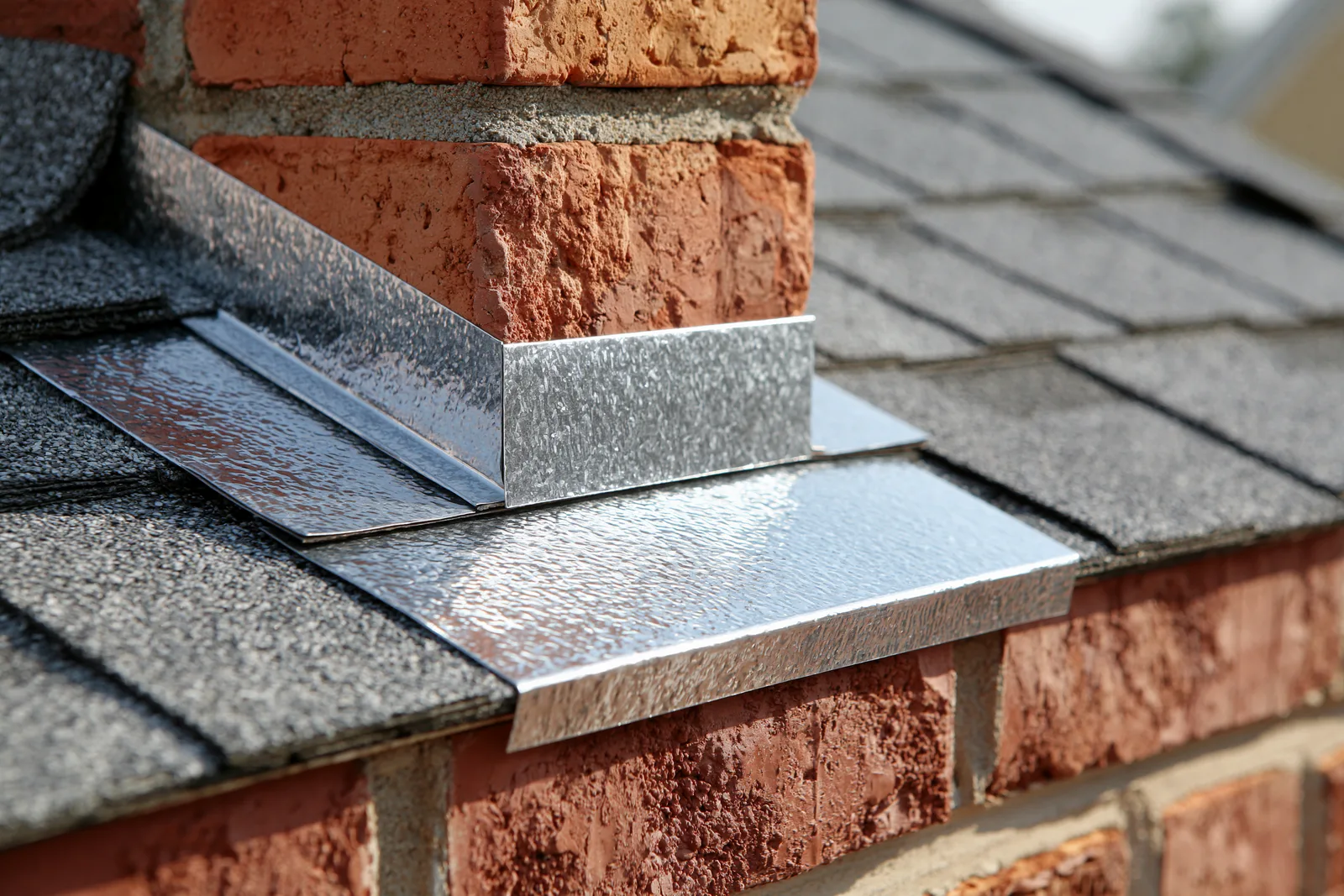
Shingles shed rain down a slope. Flashing carries that water through the places where the slope meets something else. At a wall, it must work with the siding or masonry above. At a pipe, the collar and flange must join the roof around the opening.
If those layers are missing, split or lapped the wrong way, another surface bead of caulk does not recreate the connection. We examine how the detail is built and what has failed, then explain how much surrounding roofing needs to be opened to repair it. A stain near a chimney can also involve masonry above the flashing, so the source needs to be separated before work is defined.
Each flashing detail has a different job
A surface seal or a rebuilt junction
Sealing a serviceable joint
Compatible sealant has a place where the designed detail calls for it and the underlying assembly is sound. It is a component of a repair, not a substitute for missing metal or wrong overlaps.
Rebuilding a failed connection
A short, damaged or improperly integrated flashing may need removal and replacement. That can require lifting shingles and coordinating with siding or masonry so water stays on the outside of each layer.
What changes flashing repair cost
A long sidewall above a steep roof and a pipe boot on an accessible slope involve different work.
Access and junction length
Height, pitch and the length of the connection affect safe setup and how much adjacent roofing has to be disturbed.
Material behind the flashing
Concealed decay at decking or the wall can broaden a repair. The flashing needs sound support and must meet intact roofing or wall materials.
Coordination with the building
Loose brickwork, deteriorated mortar or siding defects may need a separate trade. Repairing only the roof flashing will not cure water entering through unrelated wall damage.
Roof flashing FAQs
Can you just add caulk around the chimney?
Only when sealing is the appropriate repair for a sound designed joint. Failed layers, missing flashing or damaged masonry need the actual defect addressed.
Why does a flashing repair sometimes involve replacing shingles?
The metal is woven into or covered by adjoining roofing. Opening enough of that area allows the new flashing to be fastened and overlapped correctly instead of sitting on top of a failed detail.
Should flashing be considered during replacement?
Yes. The new roof must connect to walls, chimneys and openings. The proposal should identify which flashings will be replaced or rebuilt and the condition required for anything retained.